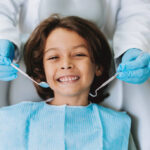
Phase 1 orthodontics treats a specific bite or jaw problem while a child is still growing and has a mix of baby and permanent teeth. Phase 2 is comprehensive treatment, usually braces or clear aligners, that aligns the teeth and finishes the bite once most permanent teeth have come in…. Read More…

Mixed dentition is the stage when a child has both baby (primary) teeth and permanent teeth at the same time. This stage happens most commonly between roughly ages 6 and 12. It matters orthodontically because permanent teeth are erupting while the jaws, dental arches, and bite are still developing. Orthodontists… Read More…

Functional orthodontic appliances are devices used in selected growing children to change how the upper and lower teeth and jaws relate to one another. They often work through mandibular positioning, meaning they hold the lower jaw forward while orthodontic treatment is underway. Two of the most common types are the… Read More…

Overbite and overjet are two different bite relationships, and parents often use the terms interchangeably even though they describe different things. Overbite refers to the vertical overlap between the upper and lower front teeth. Overjet refers to the horizontal projection of the upper front teeth in front of the lower… Read More…

A Class II bite is a condition in which the upper teeth and jaw sit farther forward than the lower teeth and jaw. In children, this relationship can arise from tooth position, jaw growth, or both. Class II does not automatically mean your child simply has “an overbite.” The two… Read More…

Many parents ask the same question during a child’s dental visit: are dental X-rays safe for children? The short answer is yes. Pediatric dental X-rays use very low radiation and are taken only when needed. They play an important role in early detection because they help dentists find problems that… Read More…

Orthodontic treatment helps straighten teeth and support long-term oral health, but it can also make daily cleaning harder. Braces and aligners do not cause cavities on their own. Cavities develop when plaque and sugars stay on teeth longer than they should. With braces, there are more places for plaque to… Read More…
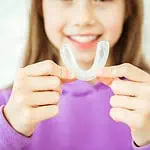
From weekend soccer games to year-round practices in football, basketball, hockey, lacrosse, baseball, wrestling, and cheer, today’s kids are always on the move—and their smiles are right in the line of impact. For families in Lancaster, Lititz, and Ephrata, protecting growing teeth (and orthodontic work) before injuries happen is one… Read More…
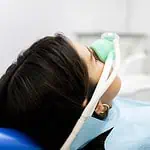
Pediatric sedation dentistry helps children receive dental care in a calm and safe way. Parents often search for a pediatric dentist in Lancaster, PA, or Ephrata, PA, when their child feels anxious, is very young, or needs treatments that are difficult to complete while awake. At Smilebuilderz Pediatrics, sedation options… Read More…

Choosing between fluoride treatments and dental sealants can be confusing for parents who want to protect their child’s smile. Both are proven preventive options, but they work in different ways. At Smilebuilderz Lancaster PA, our experienced pediatric dentist in Lancaster PA helps families understand whether fluoride treatments in Lancaster or… Read More…
